Beginner’s Mistakes
Understanding and Avoiding Them
Learning Tarot takes time and practice. The difficulties encountered at the beginning are perfectly normal: some come from an incomplete understanding of the cards, others from the way a reading is conducted or from our own state of mind.
The goal is not to mechanically follow a set of rules, but to gradually develop the right balance between knowledge, intuition, observation, and discernment.
Repeating Readings to Change the Answer
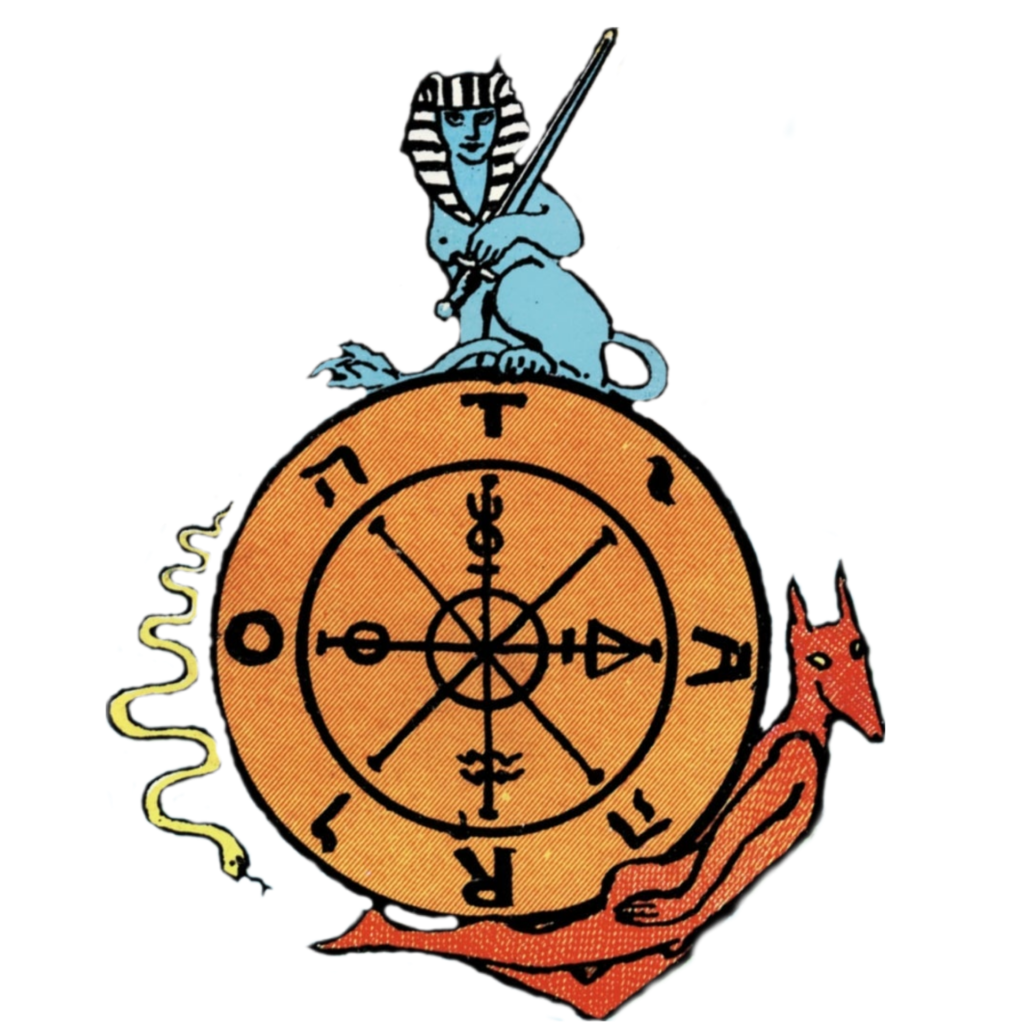
It can be tempting to do another reading when the first answer does not match what we hoped for. Yet repeating readings does not make the first one disappear.
A new reading never cancels the previous one. It may provide further details, reveal another aspect of the situation, or allow certain elements to be explored more deeply, but it should not be used as a way to artificially obtain the answer we want.
Once you have received an answer, take the time to understand it before seeking another one.
Trying to Memorize
Everything
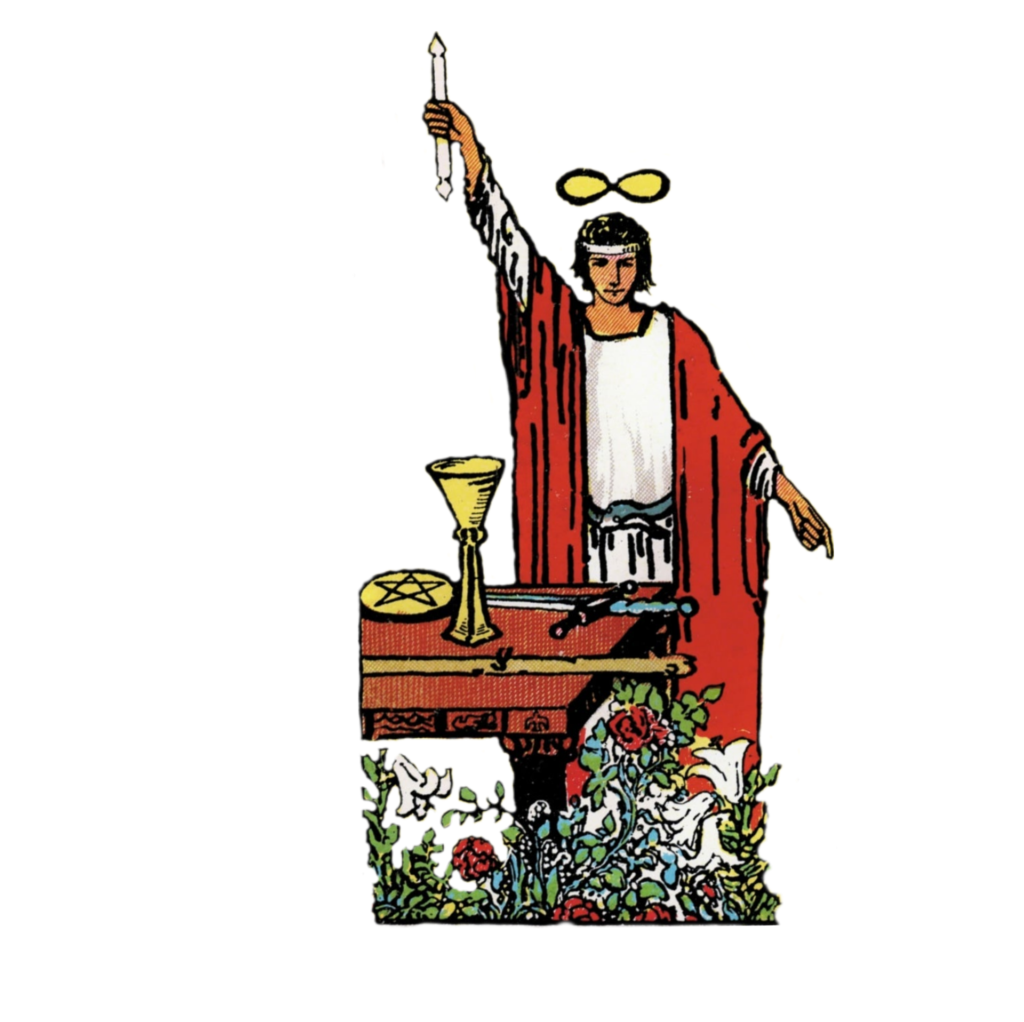
Knowing the meanings of the cards is essential, but Tarot should not become nothing more than a dictionary of keywords.
A card is an image. Its figures, gestures, colors, objects, and symbols can provide information that a few keywords alone cannot fully convey.
Learn the cards, but do not simply recite them. Observe them and allow their imagery to become part of your reading.
Relying Solely
on Intuition

The opposite mistake is to completely abandon established meanings and rely solely on intuition.
A spontaneous impression may be meaningful, but it can also be influenced by your expectations, memories, or emotions.
The right balance is to allow knowledge and intuition to work together. Start with the general meaning of the card and its position in the reading, then let your intuition add nuances, associations, and connections.
With practice, knowledge nourishes intuition, while intuition allows knowledge to be adapted to each particular situation.
Reading Each Card
in Isolation

A reading is not a succession of independent cards. The cards respond to one another, clarify one another, and sometimes even appear to contradict one another.
Look for repetitions, contrasts, correspondences, and developments. One card can significantly alter the meaning of the card before or after it.
Try to see the reading as a story made up of several images, rather than as a list of separate answers.
Losing Sight
of the Question
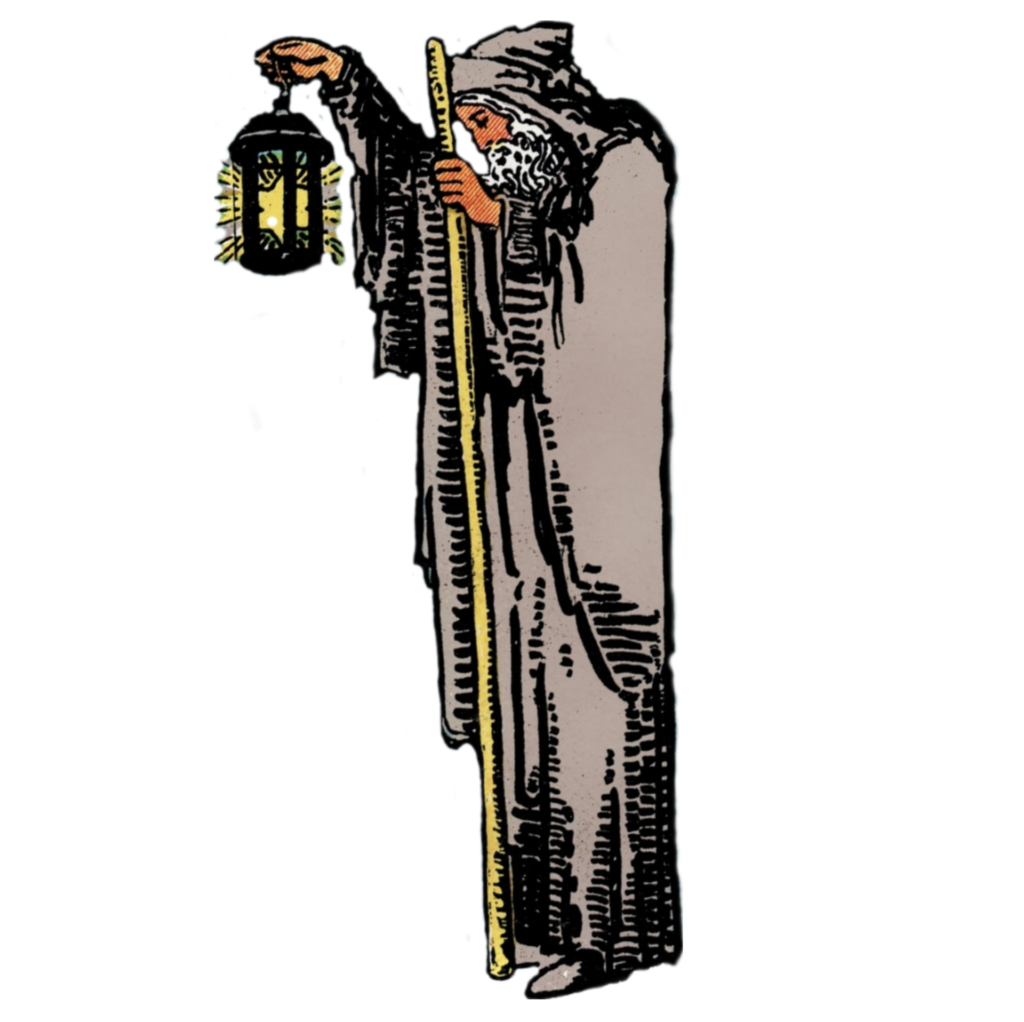
The more symbols you know, the easier it becomes to get lost in the details of a card and forget why you performed the reading in the first place.
The original question should remain your guiding thread. Every element you observe should be placed within the context of that question.
If your interpretation becomes very long but no longer truly answers the question that was asked, return to the starting point.
A good reading is not the one that says the most, but the one that best answers the question.
Seeking an
Absolute Answer
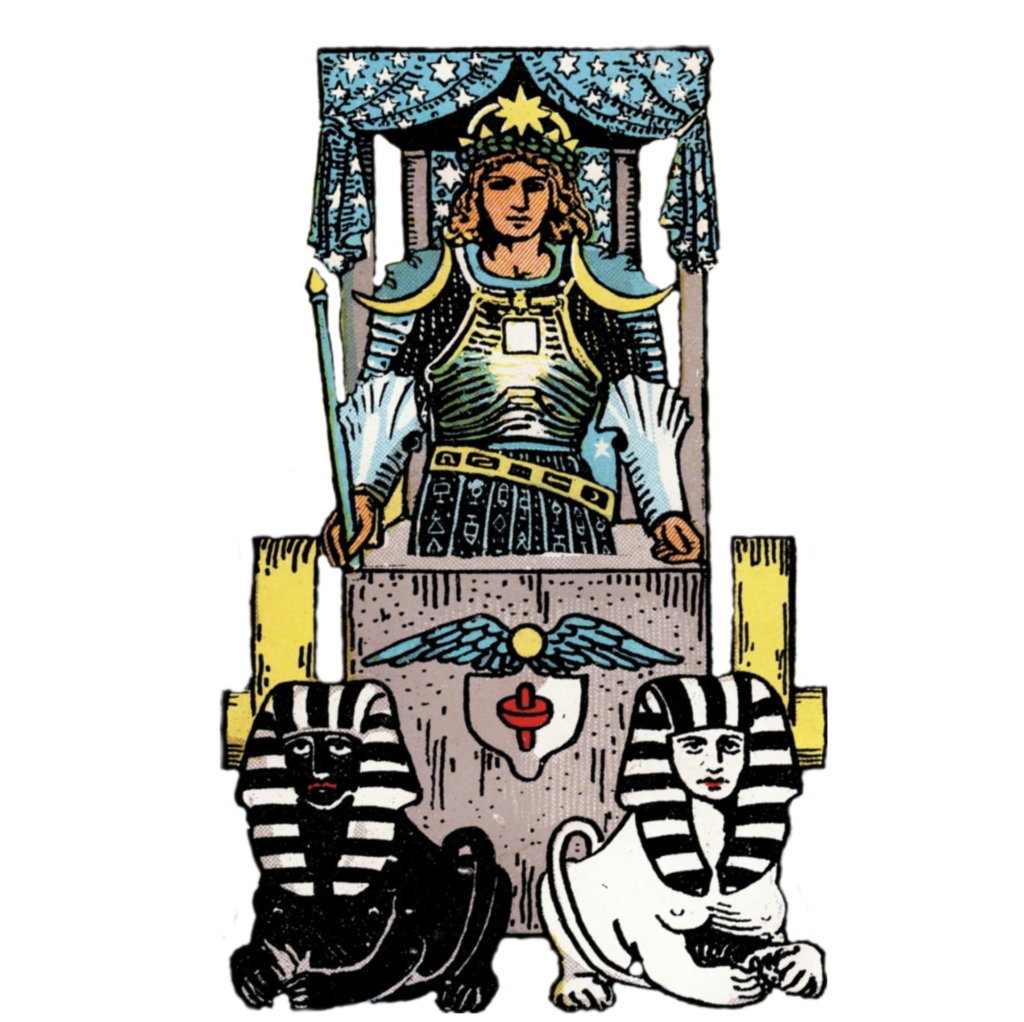
Tarot can reveal a tendency, a dynamic, a possibility, or a choice, but it is not always appropriate to demand a definitive answer in the form of “yes” or “no.”
A situation can change. A decision can alter its course. Several possibilities can coexist.
Rather than trying to obtain absolute certainty at all costs, seek to understand what the cards show and where they point.
Reading the Cards
in the Wrong
Emotional State
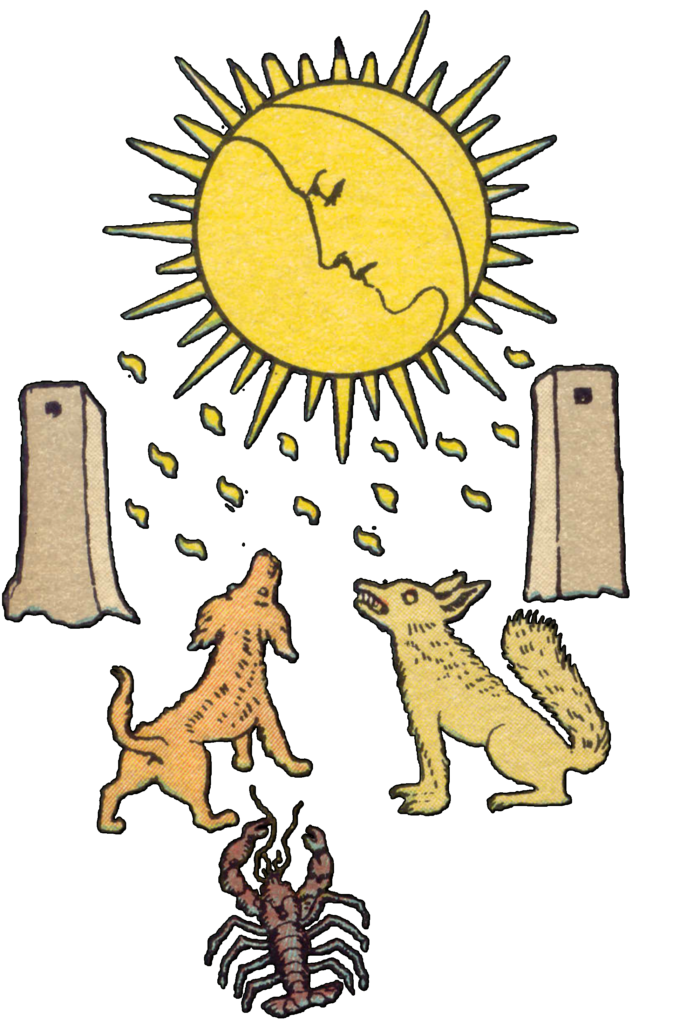
Fatigue, anxiety, anger, or excessive emotional involvement can affect our ability to interpret with sufficient distance and objectivity.
When we are directly involved in a situation, we can easily give greater importance to certain cards, exaggerate their significance, or interpret their messages according to what we hope for or fear.
If you feel that your emotions are taking over, it may be better to postpone the reading.
Avoiding
Difficult Cards
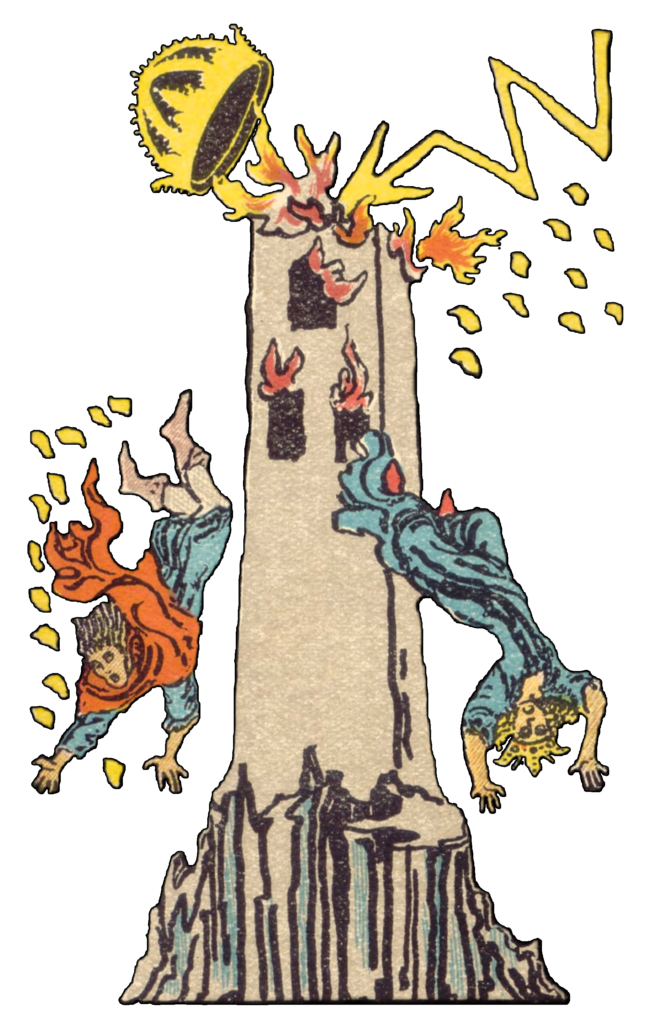
A difficult card is not necessarily a bad card. Trying systematically to turn an uncomfortable message into something positive can lead to a complete distortion of the reading.
The reader’s role is not to reassure at all costs, but to look honestly at what the cards show.
A card may point to a difficulty, a loss, a conflict, or a necessary transformation. This does not necessarily mean that it predicts a catastrophic outcome. But its message must be allowed to be heard as it appears.
Do not avoid the negative : interpret it with discernment.
Judging
the Querent
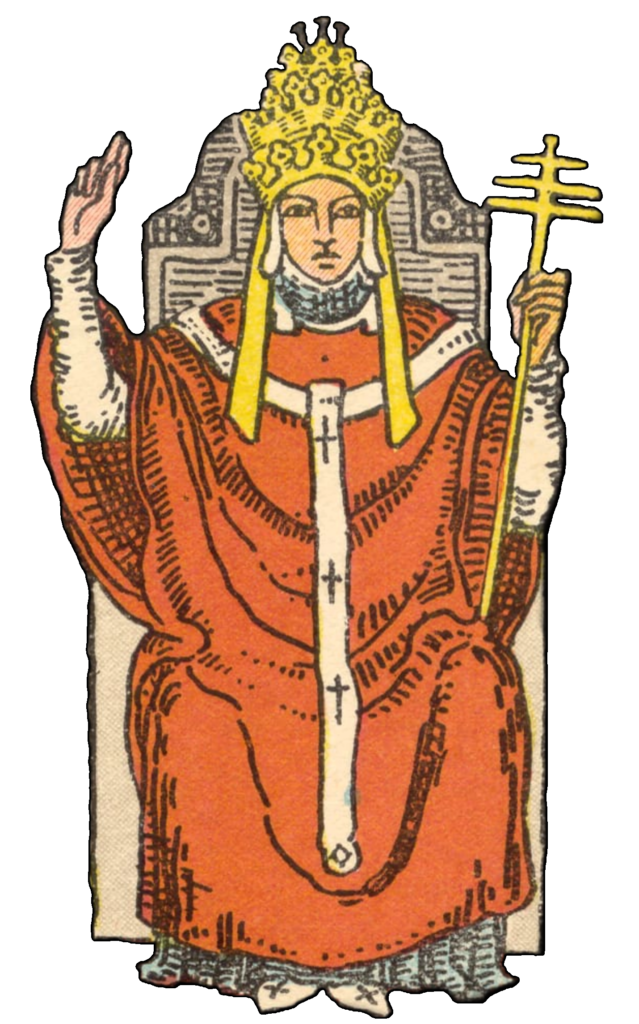
Finally, the Tarot reader must learn to distinguish between what the cards show and what they personally think about the situation.
Our beliefs, moral values, upbringing, or personal experience can unconsciously influence our reading. We may be tempted to regard certain decisions as right or wrong and allow our own judgment to become part of the interpretation.
The reader’s role is not to condemn the querent, but to help them understand the message of the reading.
Remain as objective as possible. You can communicate what the cards show without imposing your own judgment.
The Essential Points to Remember
These mistakes often have the same underlying cause: trying to make the cards say what we expect them to say.
Beginners sometimes look for certainty, the perfect answer, or the exact keyword. With practice, they learn instead to observe, accept what appears, and connect the cards with one another.
- Know the meanings, but do not simply recite them.
- Listen to your intuition, but do not project onto the cards.
- Observe each card, but read the spread as a whole.
- Accept difficult answers without losing your discernment.
The goal is not to make the cards speak at all costs, but to understand what they show.